
Fibroid care · Los Angeles
Uterine fibroid evaluation & treatment starts with your symptoms and goals.
Heavy or prolonged bleeding, pelvic pressure, painful periods, frequent urination, and fatigue can all happen with uterine fibroids—but symptoms alone do not show how many fibroids you have or where they are. EVSLA reviews your imaging, anemia risk, and personal goals before explaining whether observation, medication, surgery, or uterine fibroid embolization may fit.
- Bleeding and anemia reviewed first
- Pelvic imaging when indicated
- Uterus-sparing options discussed
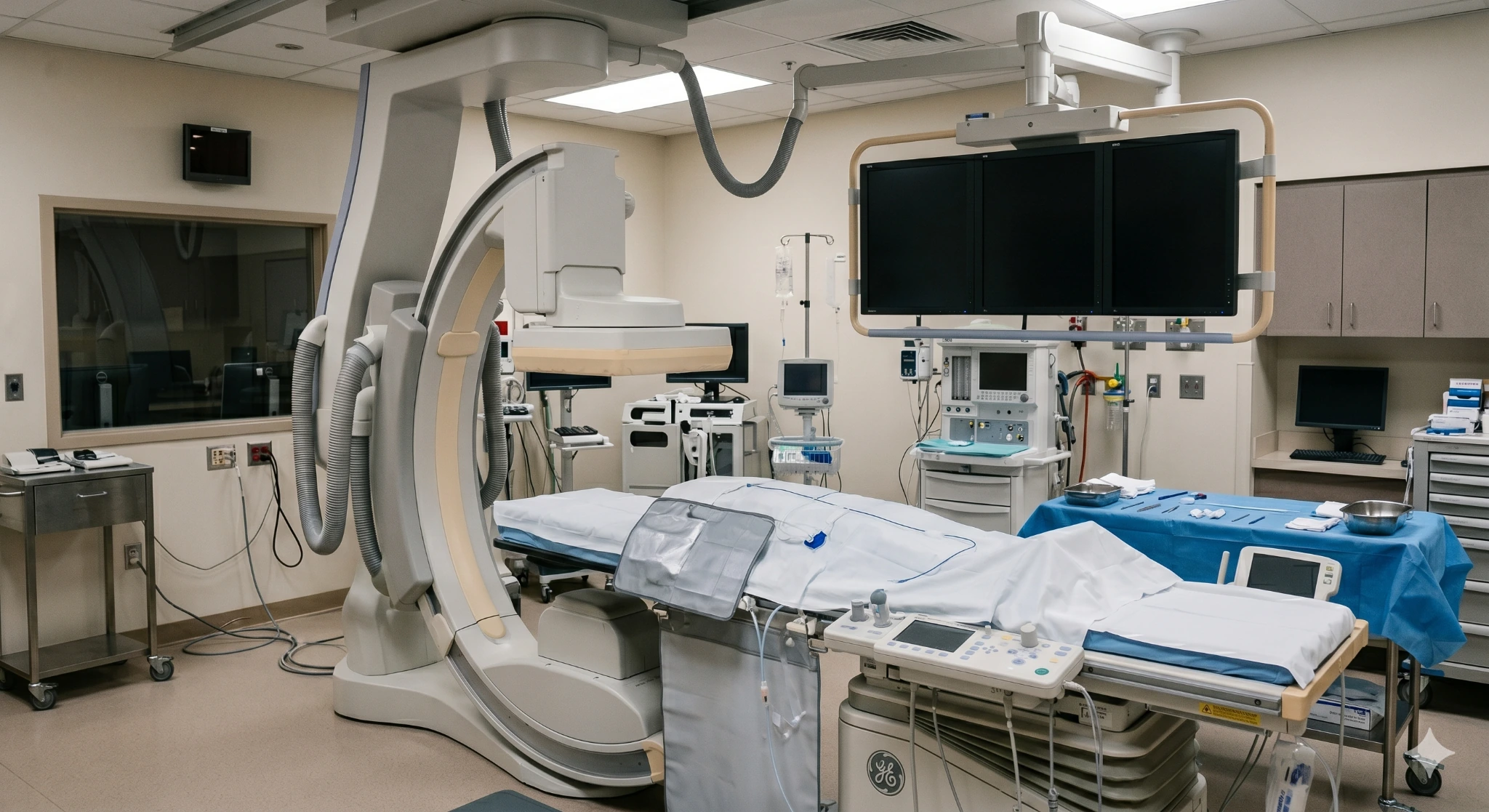
A bleeding pattern worth checking
Are heavy periods exhausting?
- Bleeding lasts longer, feels heavier, or includes large clots
- Pelvic pressure, cramping, or abdominal fullness is increasing
- Fatigue, dizziness, shortness of breath, or headaches suggest anemia
What are uterine fibroids?
Uterine fibroids, also called leiomyomas or myomas, are usually noncancerous growths that develop from the muscle tissue of the uterus. They may grow within the uterine wall, project into the uterine cavity, sit on the outside surface, or attach by a stalk.
Some fibroids never cause symptoms and do not need treatment. Others contribute to heavy or painful periods, anemia, pelvic pressure, frequent urination, constipation, pain during sex, abdominal enlargement, or fertility and pregnancy concerns. Treatment is based on symptoms, size, number, location, age, health history, and the patient’s goals—not size alone.
Clinical references: ACOG: Uterine Fibroids and Society of Interventional Radiology
Uterine fibroid symptoms
The pattern can be about bleeding, pressure—or both
Fibroids can affect menstruation, the bladder and bowel, pelvic comfort, energy, and daily life. Other gynecologic conditions can cause similar symptoms, so evaluation matters.
Types of uterine fibroids
Location often explains which symptom comes first
A small fibroid that pushes into the uterine cavity may cause substantial bleeding, while a larger fibroid on the outer surface may produce pressure or abdominal fullness. More than one type can be present.
Projects toward the uterine cavity and can be strongly associated with heavy bleeding.
Grows within the muscular uterine wall and may contribute to bleeding, pain, or enlargement.
Projects outward or grows on a stalk and may cause bulk pressure depending on size and direction.
Clinical reference: ACOG Uterine Fibroids.
When not to wait
Heavy bleeding can become an urgent problem
Fibroids are one possible cause of abnormal uterine bleeding, but pregnancy-related problems and other gynecologic conditions can also cause bleeding or sudden pain. Do not assume a new emergency is “just fibroids.”
Clinical reference: ACOG Abnormal Uterine Bleeding, , .
What causes uterine fibroids?
There is no single behavior to blame
The exact cause is not clear. Hormones, genetics, cell biology, and growth factors appear to influence fibroid development and growth. They often shrink after menopause as hormone levels fall.
Biology and hormones
Growth is influenced by reproductive biology
Estrogen, progesterone, genetics, and local growth factors appear to contribute, but no single cause explains every patient.
- Common during reproductive years
- May change during pregnancy
- Often shrink after menopause
- Growth rate is unpredictable
Family and population patterns
Risk is not distributed equally
Fibroids can run in families. They occur more often, at younger ages, and can be more severe among Black women.
- Family history
- Earlier age at diagnosis
- Health inequities matter
- Individual experience varies
Whole-patient review
Context shapes treatment choices
Age, blood pressure, body weight, medications, anemia, pregnancy history, and other conditions may influence risk or the safest treatment path.
- Current medications
- Bleeding and iron status
- Pregnancy plans
- Other pelvic diagnoses
How uterine fibroids are diagnosed
Start with the bleeding story, then map the uterus
A useful workup confirms whether fibroids explain the symptoms, measures their location and burden, checks for anemia, and considers other causes of bleeding or pelvic pain.
Uterine fibroid diagnostic pathway
Clinical reference: ACOG Uterine Fibroids.
Uterine fibroid treatment
The right option depends on what matters most to you
Symptoms, anemia, fibroid location, age, prior treatment, desire to keep the uterus, and future pregnancy plans all affect the decision. Some patients need coordinated gynecologic and interventional-radiology input.
Path 1 · Monitor or control symptoms
No symptoms, mild symptoms, or manageable bleeding
Observation and medical management may be appropriate when there is no concerning change and symptoms are controlled.
- Observation and follow-up
- Iron treatment for deficiency
- Pain or bleeding medication
- Hormonal options when appropriate
Path 2 · Preserve the uterus
Treat symptoms while leaving the uterus in place
Several procedures may reduce bleeding, pressure, or fibroid burden without hysterectomy.
- Uterine fibroid embolization
- Myomectomy
- Radiofrequency ablation
- Selected hysteroscopic treatment
Path 3 · Definitive surgery
Hysterectomy
Hysterectomy removes the uterus and is definitive treatment, but it also ends the ability to carry a pregnancy.
- Consider after informed counseling
- Approach depends on anatomy
- Recovery varies by technique
- Alternatives should be discussed
Uterine fibroid embolization
Treat the blood supply through a tiny catheter
Uterine artery embolization, commonly called uterine fibroid embolization, uses image guidance to deliver small particles into the uterine arteries that feed the fibroids. Reduced blood flow causes the fibroids to shrink over time.
- Image-guided catheter treatment
- Usually no surgical incision
- Uterus remains in place
- Many fibroids treated together
- Same-day or overnight care varies
- Symptoms improve over time
Plan with imaging
Ultrasound and often MRI help define fibroid size, location, number, blood supply, and alternative diagnoses.
Reach the uterine arteries
A small catheter is guided through an artery from the wrist or groin toward the vessels supplying the uterus.
Embolize the supply
Tiny particles are delivered into the target branches, reducing the blood flow that allows fibroids to remain active.
Recover and follow
Pain control, activity instructions, symptom tracking, and follow-up imaging are tailored to the patient.
Procedure references: ACOG Uterine Artery Embolization.
UFE recovery
Cramping comes first; shrinkage comes over time
Recovery varies. ACOG notes that abdominal pain and cramping may last up to 2 weeks, while symptom change may take 2 to 3 months and fibroids may continue shrinking for a year or more.
Procedure day
Observe and control pain
Some patients go home the same day; others stay overnight. Access-site and medication instructions are individualized.
First days
Expect cramping and fatigue
Pain, nausea, low fever, and tiredness can occur. Use the prescribed plan and know when to call.
First weeks
Return gradually
Work, driving, lifting, exercise, and sexual activity resume according to symptoms and clinician guidance.
Months
Track bleeding and pressure
Periods and bulk symptoms may improve gradually as fibroids soften and shrink. Follow-up confirms the trajectory.
Who may consider UFE
A candidacy decision is more than a fibroid measurement
UFE may enter the discussion when fibroids are confirmed, symptoms meaningfully affect life, and the patient wants a uterus-sparing, nonsurgical option.
Questions that shape candidacy
- Are fibroids the best explanation for the bleeding, pain, or pressure?
- How many fibroids are present, and where are they located?
- Is anemia present, and how severe is the bleeding burden?
- Do you want to keep the uterus or pursue future pregnancy?
- Have medication, myomectomy, hysterectomy, and other options been compared?
- Are infection, pregnancy, cancer concern, or another diagnosis present?
What to expect
A consultation built around the decision
Bring prior pelvic ultrasound or MRI images and reports, gynecology notes, blood counts and iron results, medication list, pregnancy history, and a short record of bleeding and symptom days.
- Define the symptom burden Review bleeding, pain, pressure, urinary or bowel symptoms, anemia signs, and daily-life impact.
- Review the pelvic imaging Confirm fibroid number, size, location, enhancement, and whether another diagnosis needs attention.
- Clarify personal goals Discuss uterus preservation, future pregnancy, recovery preferences, timing, and repeat-treatment tolerance.
- Compare reasonable alternatives Observation, medication, UFE, myomectomy, ablation, hysteroscopy, and hysterectomy have different tradeoffs.
- Plan coordinated care Gynecology, primary care, hematology, or another specialist may be involved.
- Set follow-up before treatment Know the recovery contact, medication plan, warning signs, imaging schedule, and success measures.
Your care team
Who evaluates fibroid embolization at EVSLA
This concept positions EVSLA’s physicians around pelvic imaging review, UFE candidacy, image-guided treatment, and postprocedure follow-up. Physician credentials, exact services, and location availability must be confirmed before publication.
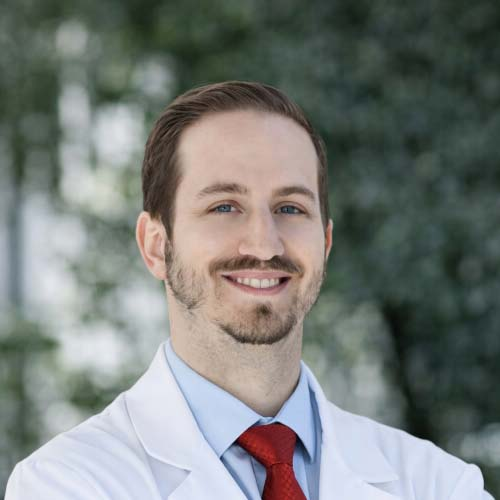
Harout Dermendjian, MD
Endovascular Specialist
Featured in this concept for pelvic imaging review and minimally invasive embolization planning. Confirm approved credentials and scope before publication.

Kartik Kansagra, MD
Endovascular Specialist
Featured in this concept for uterine artery embolization assessment, procedure candidacy, and image-guided care. Confirm current services.
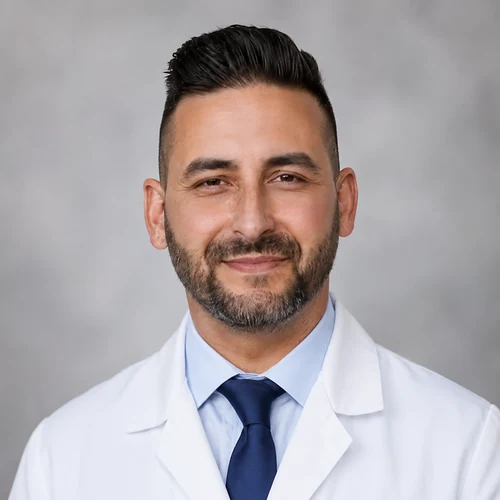
Sipan Mathevosian, MD
Endovascular Specialist
Featured in this concept for image-led assessment and embolization follow-up. Confirm training, specialty description, and approved claims.
Where to request a fibroid evaluation
Three clinics across Los Angeles County
Call before traveling to confirm where fibroid consultation, pelvic imaging review, uterine fibroid embolization, and follow-up are performed. Services may differ by location.
Glendale
445 W Broadway
Glendale, CA 91204
Simi Valley
2750 Sycamore Dr, Ste 200
Simi Valley, CA 93065
La Cañada Flintridge
1407 Foothill Blvd
La Cañada, CA 91011
Questions patients ask
Uterine fibroids, answered plainly
What are uterine fibroids?
Uterine fibroids are usually noncancerous growths that develop from the muscle tissue of the uterus. They may grow inside the uterine cavity, within the muscular wall, on the outside surface, or on a stalk. Some cause no symptoms and never require treatment.
What are the symptoms of uterine fibroids?
Possible symptoms include heavy, long, frequent, or painful periods; bleeding between periods; anemia; pelvic pressure or pain; abdominal enlargement; frequent urination; constipation; lower-back pain; and pain during sex.
What causes uterine fibroids?
The exact cause is not clear. Genetics, hormones, cell biology, and growth factors appear to play roles. Fibroids can run in families and often change with reproductive hormone levels.
Can uterine fibroids be cancerous?
Fibroids are almost always benign. A rare cancer can sometimes be mistaken for a fibroid. Rapid change, bleeding after menopause, atypical imaging, or diagnostic uncertainty should be reviewed by the appropriate gynecologic team.
How are uterine fibroids diagnosed?
Evaluation begins with symptoms, medical and pregnancy history, and a pelvic exam. Ultrasound commonly confirms fibroids. MRI or cavity-focused testing may be used when more detail is needed, and blood tests can check for anemia.
Do uterine fibroids go away on their own?
Fibroids may remain stable, grow, or shrink. They often shrink after menopause, but timing is unpredictable. New bleeding after menopause, severe symptoms, or anemia deserves evaluation.
What treatments are available for uterine fibroids?
Options include observation, iron replacement, medicines for pain or bleeding, hormonal treatments, uterine fibroid embolization, myomectomy, radiofrequency ablation, selected hysteroscopic procedures, and hysterectomy.
What is uterine fibroid embolization?
UFE is an image-guided procedure in which a catheter reaches the uterine arteries and tiny particles reduce blood flow feeding the fibroids. The uterus remains in place and the fibroids shrink over time.
How does UFE compare with myomectomy or hysterectomy?
UFE treats the fibroids’ blood supply without removing each fibroid. Myomectomy surgically removes fibroids while keeping the uterus. Hysterectomy removes the uterus and is definitive. Risks, recovery, repeat-treatment likelihood, anatomy, and pregnancy goals differ.
What is recovery like after UFE?
Some patients go home the same day and others stay overnight. Cramping, pain, fatigue, nausea, and low fever can occur. Symptom improvement is gradual and fibroids can continue shrinking for months.
Can I become pregnant after UFE?
Pregnancy after UFE has occurred, but the effect on future pregnancies is not clear. Patients prioritizing pregnancy should compare UFE, myomectomy, and other options with an OB-GYN and interventional radiologist.
When is heavy bleeding an emergency?
Seek emergency care if you are changing pads or tampons every hour for more than 2 hours and also have chest pain, shortness of breath, dizziness, or lightheadedness. Call 911 for fainting, severe breathing difficulty, or chest pain.
Your fibroid plan should fit your symptoms and goals.
Bring prior pelvic imaging and reports, gynecology records, blood-count or iron results, medication list, pregnancy history, and a short bleeding-and-symptom diary. EVSLA can review whether UFE belongs among your options and explain the next step.
For severe bleeding with chest pain, shortness of breath, dizziness, or fainting, seek emergency care.